Bear
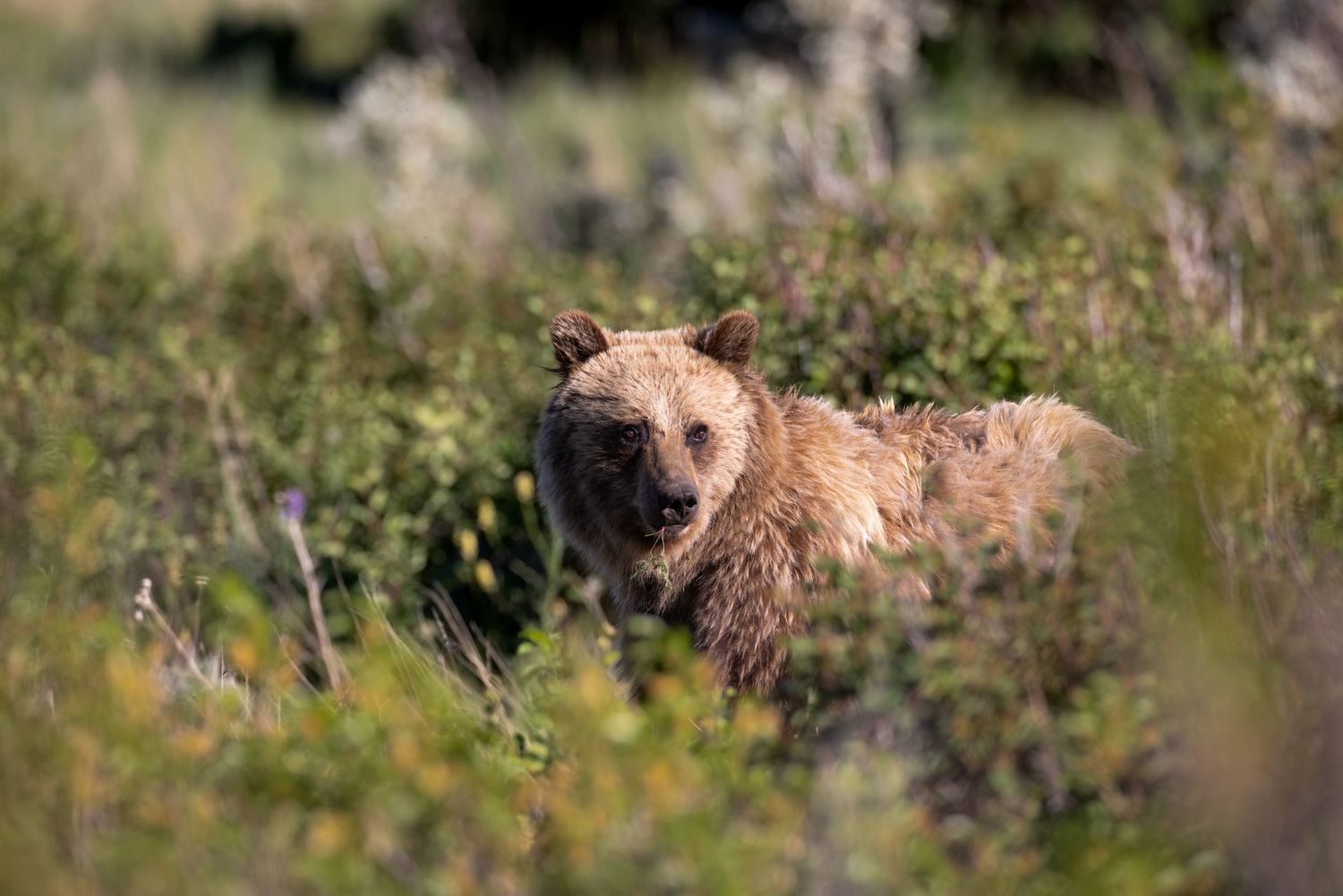
Grizzly bears, a subspecies of brown bears, are an integral part of the ecosystem in North America. Though they belong to the same species as brown bears, grizzlies are distinct in their characteristic hump and long, sturdy claws. It is disheartening to learn that the population of grizzlies in the wild has dramatically declined, particularly in the lower 48 states.
The struggle of grizzly bears in today's environment highlights the ongoing battle for conservation. Human encroachment on their habitat, poaching, and climate change have all contributed to their diminishing numbers. Historically, grizzlies roamed across much of the United States, but their range has significantly diminished over time. Today, they are primarily found in isolated pockets, particularly in national parks and protected areas.
Conservation efforts are being made to protect the remaining grizzly bear populations. Organizations such as wildlife management agencies, national parks, and conservation groups are working tirelessly to promote their wellbeing and preserve these iconic creatures for future generations. Despite these efforts, the survival of grizzlies remains uncertain.
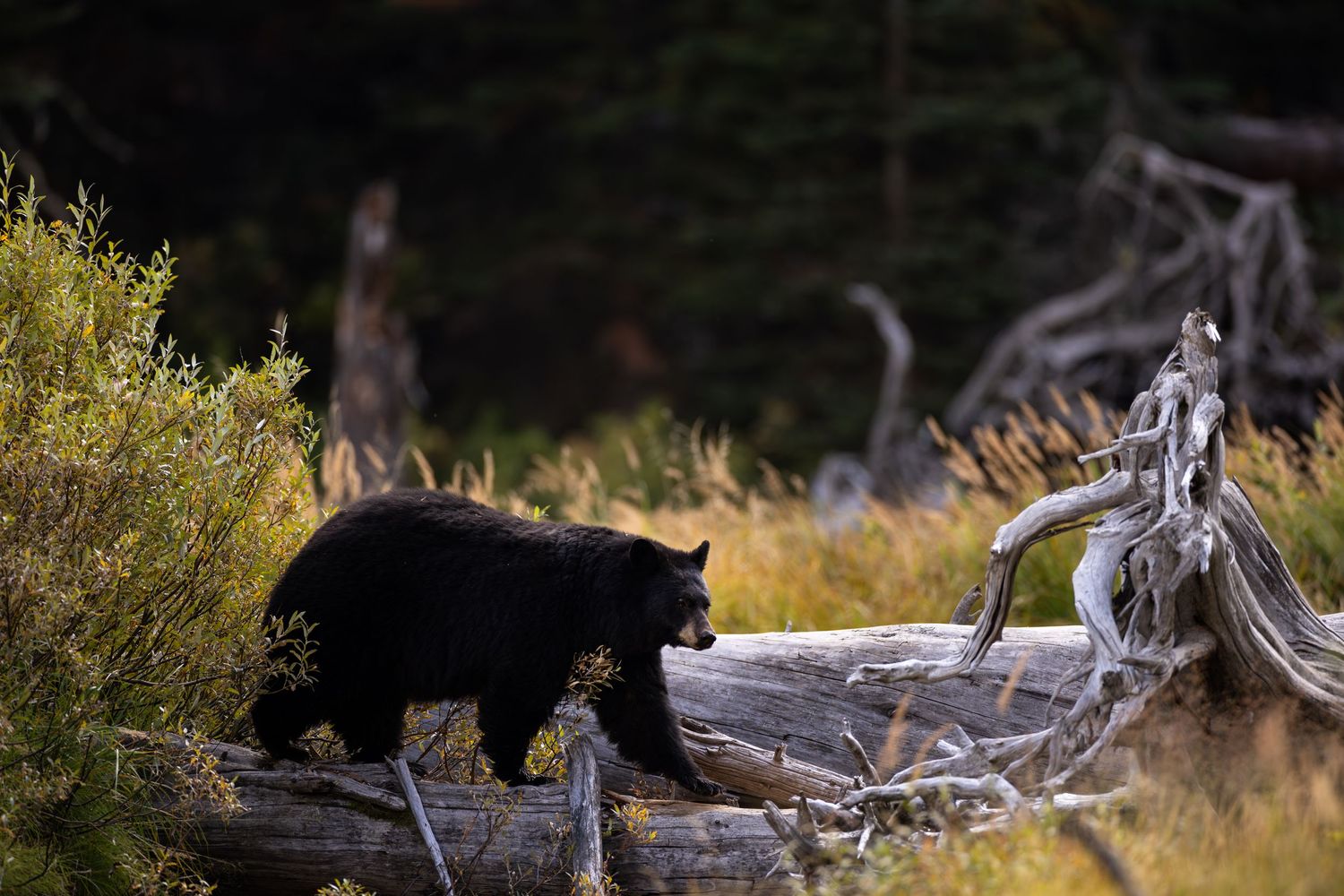
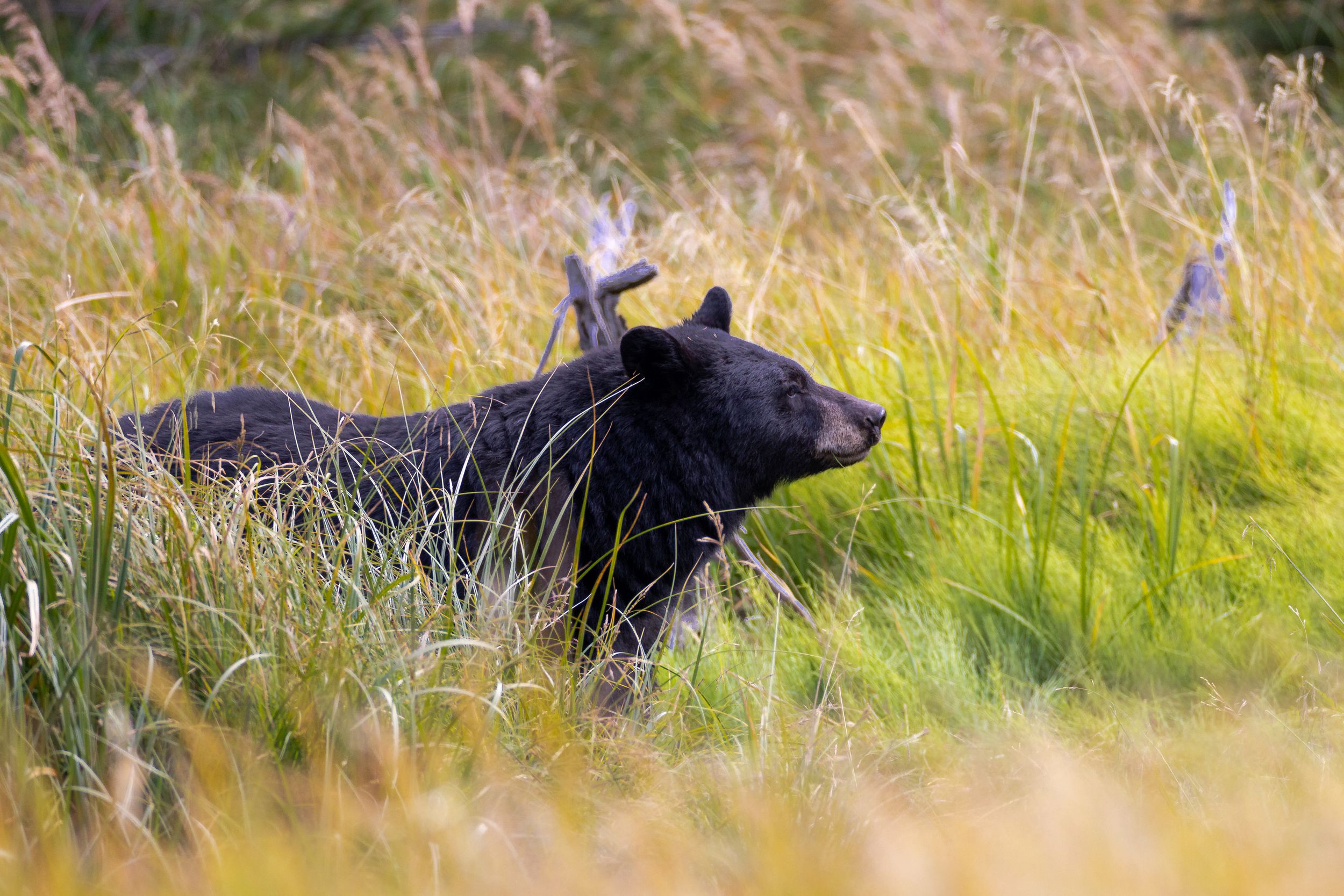
In contrast, black bears have managed to adapt better to the changing landscape. They are more numerous and widespread across North America compared to grizzlies. However, they too face challenges, including habitat loss and conflicts with humans. Despite their name, black bears can vary in color, ranging from jet black to light brown. Their adaptability and resourcefulness have allowed them to thrive in a variety of habitats, including forests and even suburban areas.
My hope is that these images will inspire a greater appreciation for these incredible creatures and encourage us all to take action to protect their habitats and ensure their survival in the years to come.
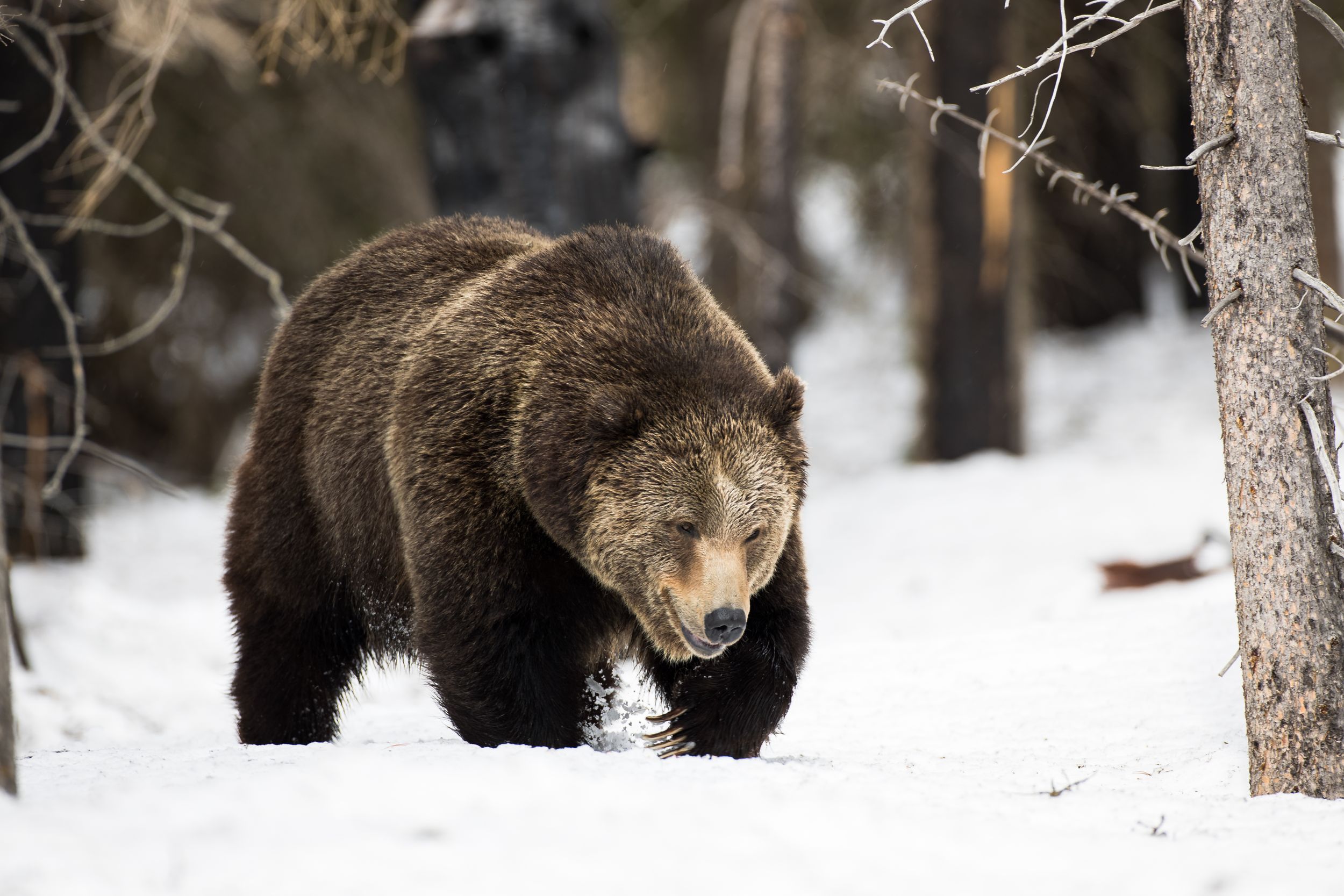
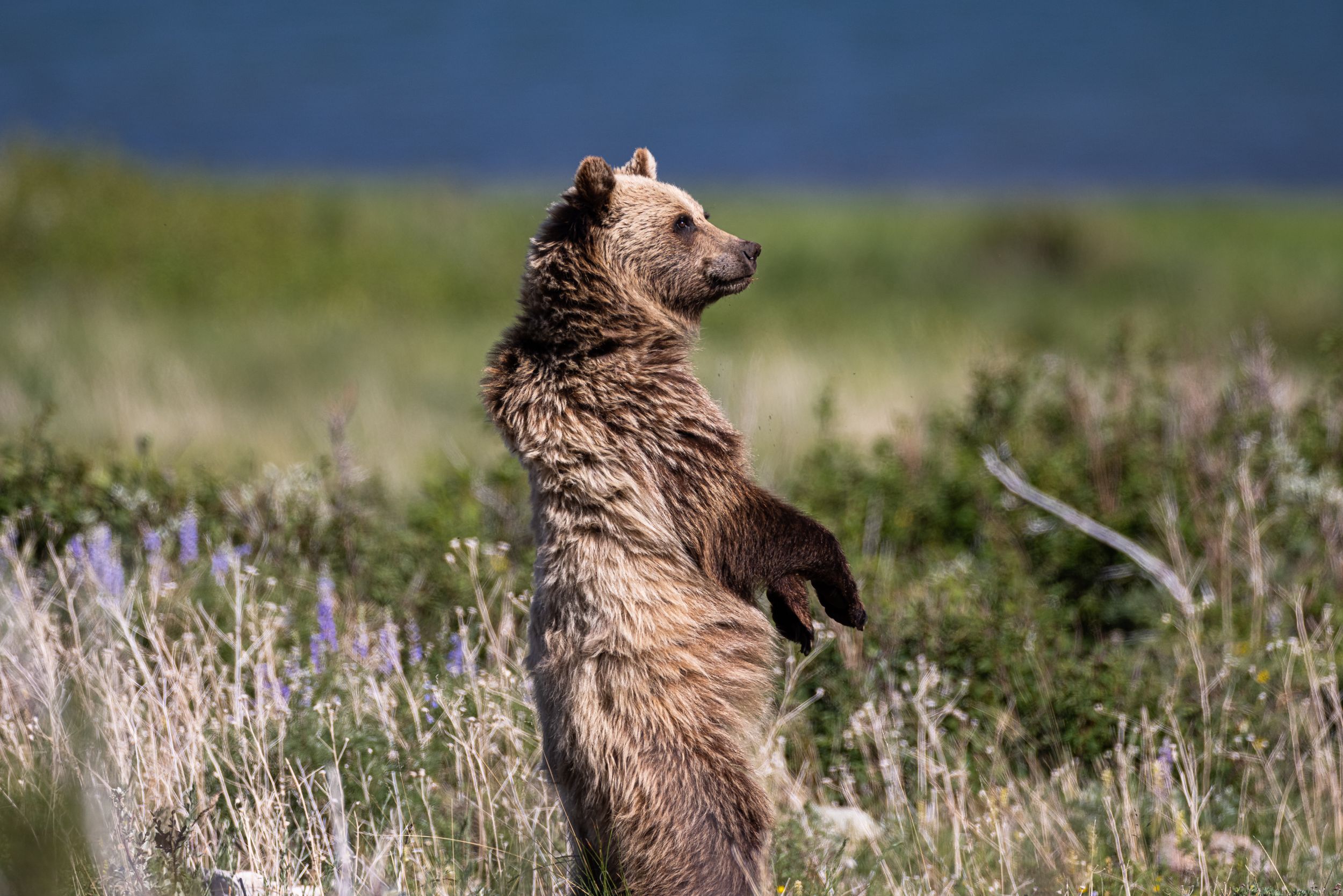
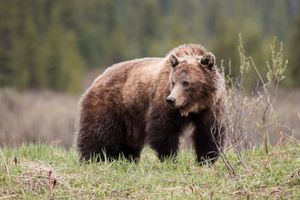
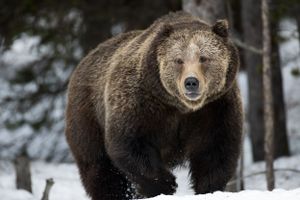
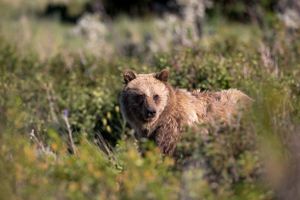
Lower 48 Grizzly Numbers: Between 2000-3000
BLACK BEAR NUMBERS: BETWEEN 250,000-300,000
Species Threat LEVEL: Threatened
SPECIES THREAT LEVEL: LEAST CONCERN
A portion from all sales + 100% of the proceeds from the Conservation Series will be donated to the
Grizzly Bear Foundation