Elk-Wapiti
Nature's Wapiti
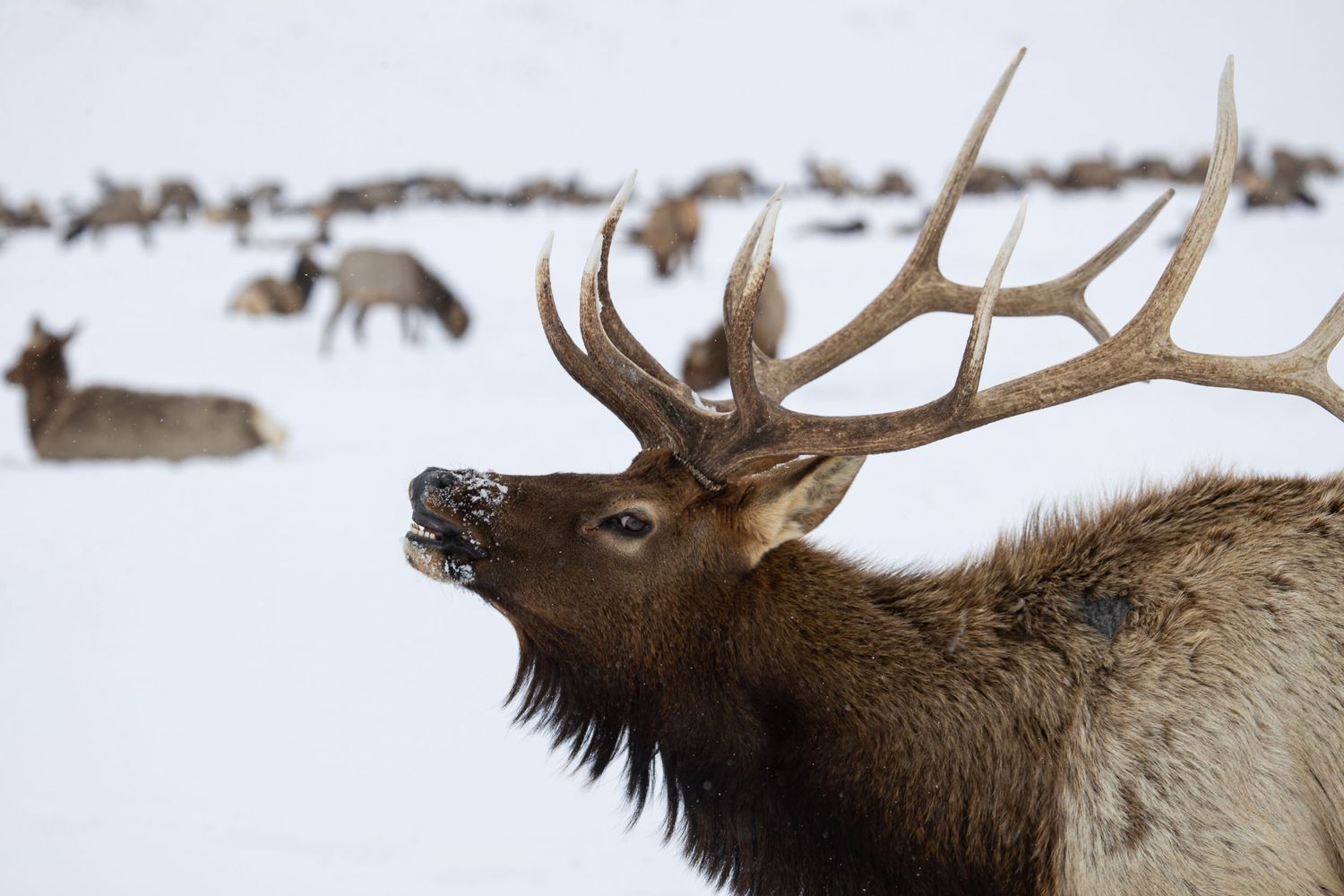
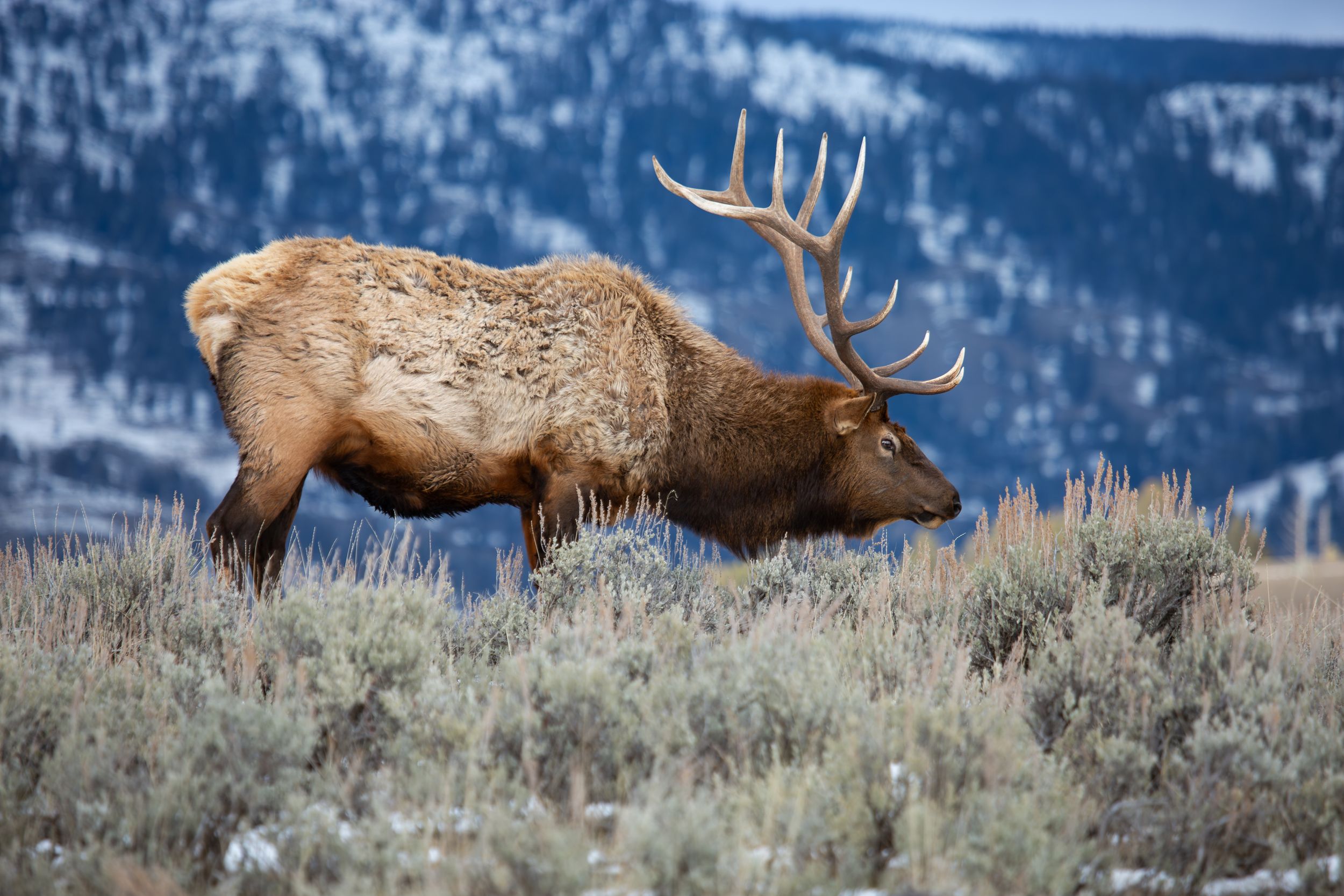
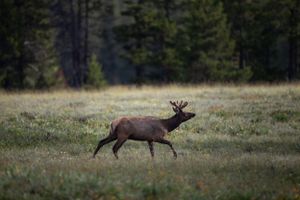
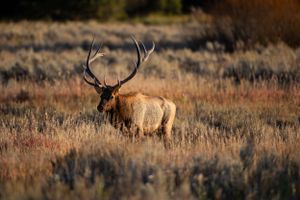
Stepping into the wild, one may be fortunate enough to encounter the majestic presence of the elk, one of North America's largest species of the deer family. With a history that stretches back to the Miocene era, elk have roamed vast stretches of land, adapting and thriving in various habitats. Known scientifically as Cervus canadensis, these magnificent creatures boast an impressive physique with males (bulls) displaying towering antlers that can spread up to four feet and weigh over 40 pounds. This distinctive feature not only symbolizes their status and vigor but also plays a pivotal role during the autumn rutting season.
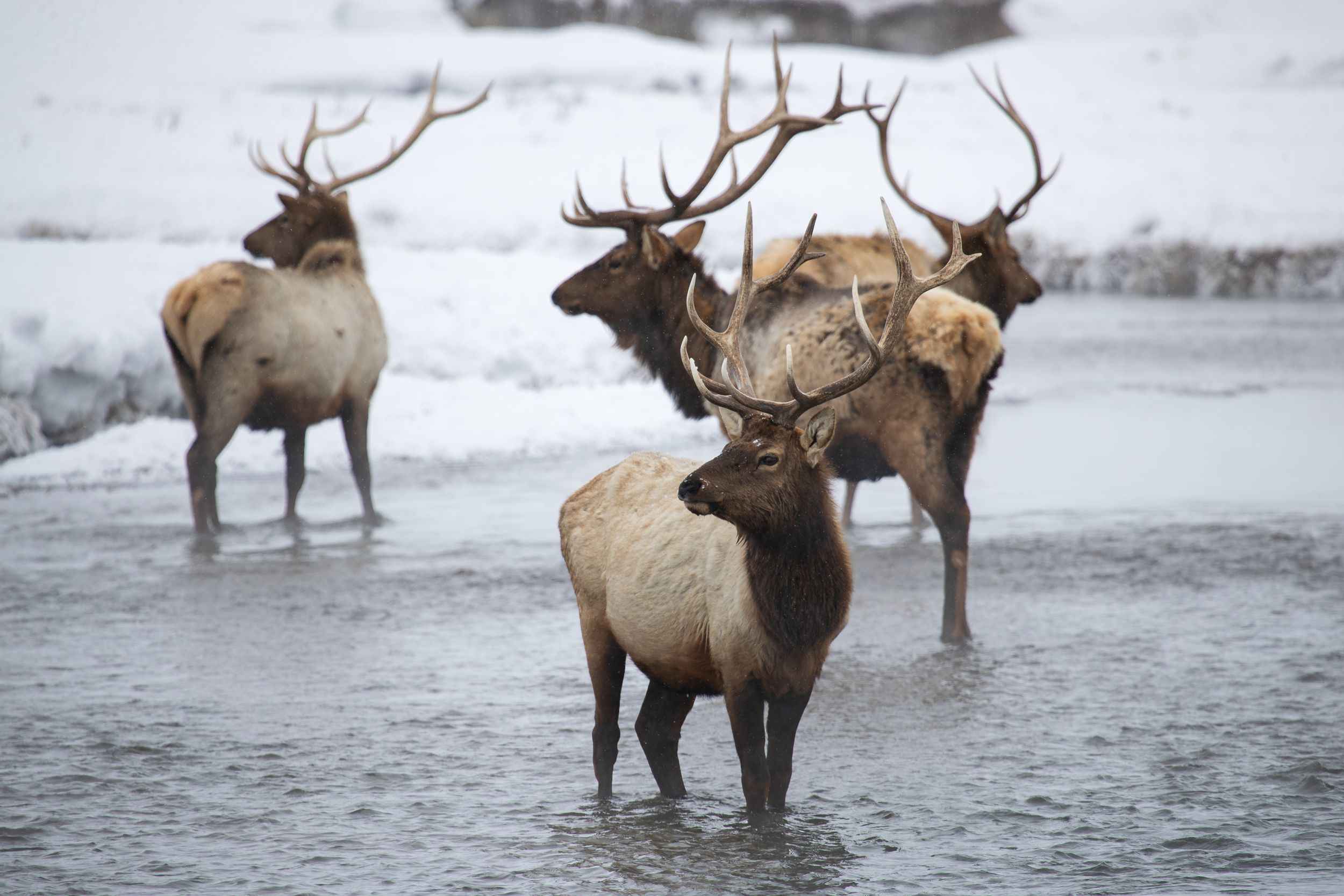
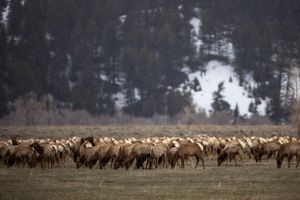
Elk are social animals, often found in herds, which provides them safety from predators and increases their effectiveness in navigating the wild. These herds are a symphony of nature, moving with a purpose through forests, meadows, and mountains.
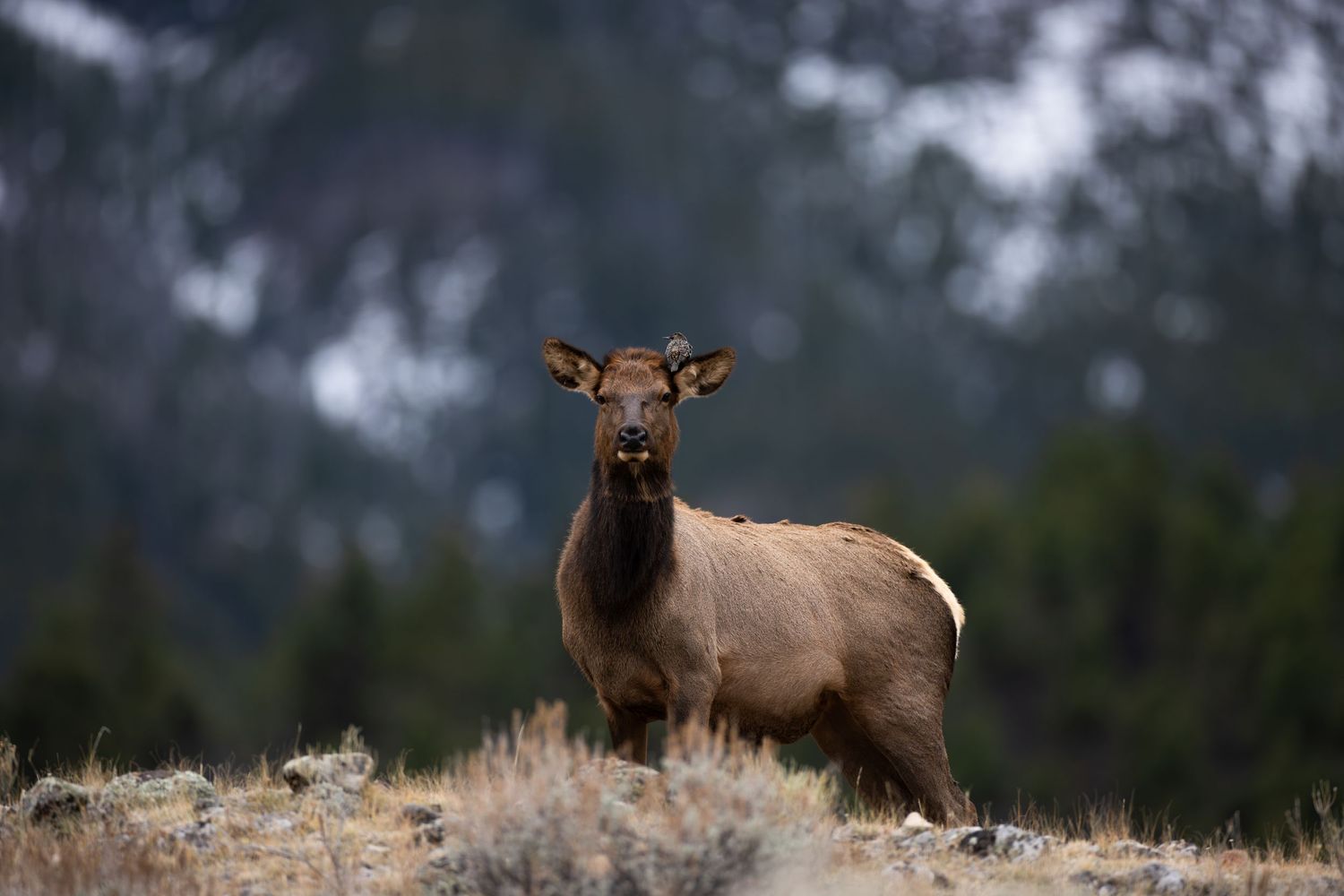
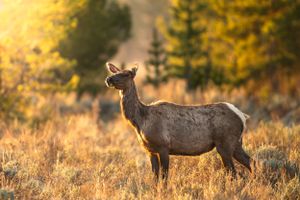
Interestingly, elk are often referred to as "Wapiti," a name derived from the Shawnee and Cree word waapiti, meaning "white rump." This name points to one of the most distinctive features of the elk, the pale patch on their behind, which contrasts starkly with their otherwise brownish body. The term Wapiti was once commonly used to avoid confusion with the European elk, which is known as the moose in North America. Today, while "elk" is the prevalent term used throughout much of the English-speaking world, the echoes of "Wapiti" still reverberate among wildlife enthusiasts and researchers who appreciate the linguistic heritage of these incredible animals.
Capturing images of elk in their natural setting is a testament to their resilience and a celebration of their history. From native folklore to modern conservation efforts, the story of the elk is deeply woven into the tapestry of natural history. Whether you call them elk or Wapiti, these beings are icons of the wilderness, symbols of the untamed landscapes that they have elegantly roamed since time immemorial.
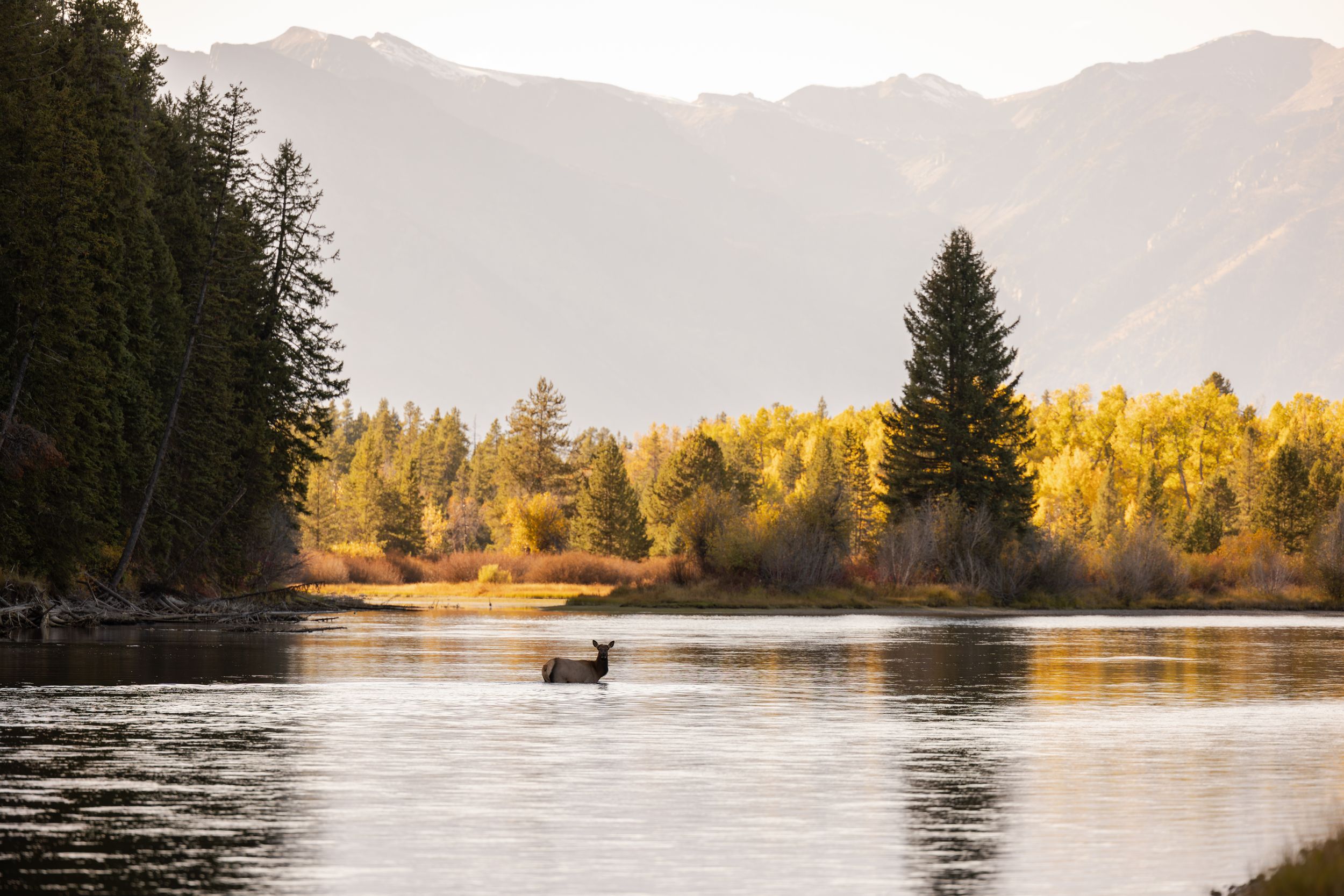
Lower 48 wapiti NUMBERS: roughly 150,000-250,000
Species Threat LEVEL: Least concerned
A portion from all sales + 100% of the proceeds from the Conservation Series will be donated to the
Wyoming Wildlife Advocates